

Melbourne Squamous Cell Dermatologist
Table of Contents
Understanding Squamous Cell Carcinoma Care in Melbourne, Florida
In sunny Melbourne, Florida, where intense UV exposure heightens skin cancer risks, squamous cell carcinoma (SCC) emerges as a prevalent concern. As the second most common skin cancer, per the American Academy of Dermatology, it affects over 1 million Americans yearly, often linked to cumulative sun damage. For those seeking a squamous cell dermatologist in Melbourne, Florida, recognizing early detection is crucial to prevent progression.
SCC typically appears as persistent, scaly red patches, non-healing sores, or rough growths on sun-exposed areas like the face or hands. Risk factors include fair skin, prolonged outdoor activities, and weakened immune systems. The AAD recommends monthly self-exams for irregular moles or changing spots to spot these signs early. Board-certified dermatologists in Melbourne, Florida, perform biopsies for accurate diagnosis, enabling timely intervention.
Indigo Dermatology leads local SCC management in Florida with dermatologists melbourne fl specializing in Mohs surgery in Melbourne, Florida, and comprehensive SCC treatment options in Melbourne, Florida. Our skin cancer specialists near Melbourne offer personalized care from screening to reconstruction.
This guide explores local treatment approaches and tips for selecting the right provider, empowering you with knowledge for optimal skin health.
Squamous Cell Carcinoma Overview in Melbourne, Florida
Squamous cell carcinoma (SCC) represents a significant health concern in Melbourne, Florida, where intense year-round sunlight elevates skin cancer risks. According to NCBI epidemiology data, ultraviolet exposure in sunny regions like central Florida increases SCC risk by two to three times compared to less exposed areas. Local incidence rates are notably high, with coastal lifestyles and an aging population contributing to approximately 1,500 annual cases in the Melbourne vicinity. Beachgoers and outdoor enthusiasts face amplified dangers from prolonged UV contact, underscoring the need for vigilant monitoring by board-certified dermatologists.
Central Florida shares environmental challenges that heighten SCC vulnerability across communities. Factors such as relentless sunshine, humid climates, and active outdoor pursuits create uniform risks, though urban and suburban variations influence prevalence. The following table compares SCC incidence and key influences in Melbourne against nearby Tampa and Palm Bay, drawing from AAD and NCBI sources for estimated case volumes and highlighting access to specialized care.
| Area | Annual SCC Cases (Estimated) | Key Risk Factors | Proximity to Indigo Dermatology Clinics |
|---|---|---|---|
| Melbourne | 1,500+ | Intense UV from beach proximity, aging population | Melbourne clinic offers immediate screenings |
| Tampa | 2,000+ | Urban sun exposure, diverse demographics | Tampa clinic available |
| Palm Bay | 800+ | Suburban sun activities, fair-skinned residents | Near Melbourne clinic |
Indigo Dermatology’s strategic clinic placements in these areas effectively bridge care gaps, providing swift evaluations and interventions for at-risk residents. This regional network ensures that patients in high-incidence zones like Melbourne receive prompt attention, reducing progression risks through accessible expertise.
Diagnostic approaches for SCC in Melbourne typically begin with comprehensive skin exams by a squamous cell dermatologist in Melbourne, Florida, followed by biopsies to confirm malignancy. Early detection via these methods allows for tailored SCC treatment options in Melbourne, Florida, including excision or advanced procedures. Melbourne-area skin cancer experts at practices like Indigo Dermatology emphasize routine screenings to identify precancerous lesions amid local sun exposure patterns.
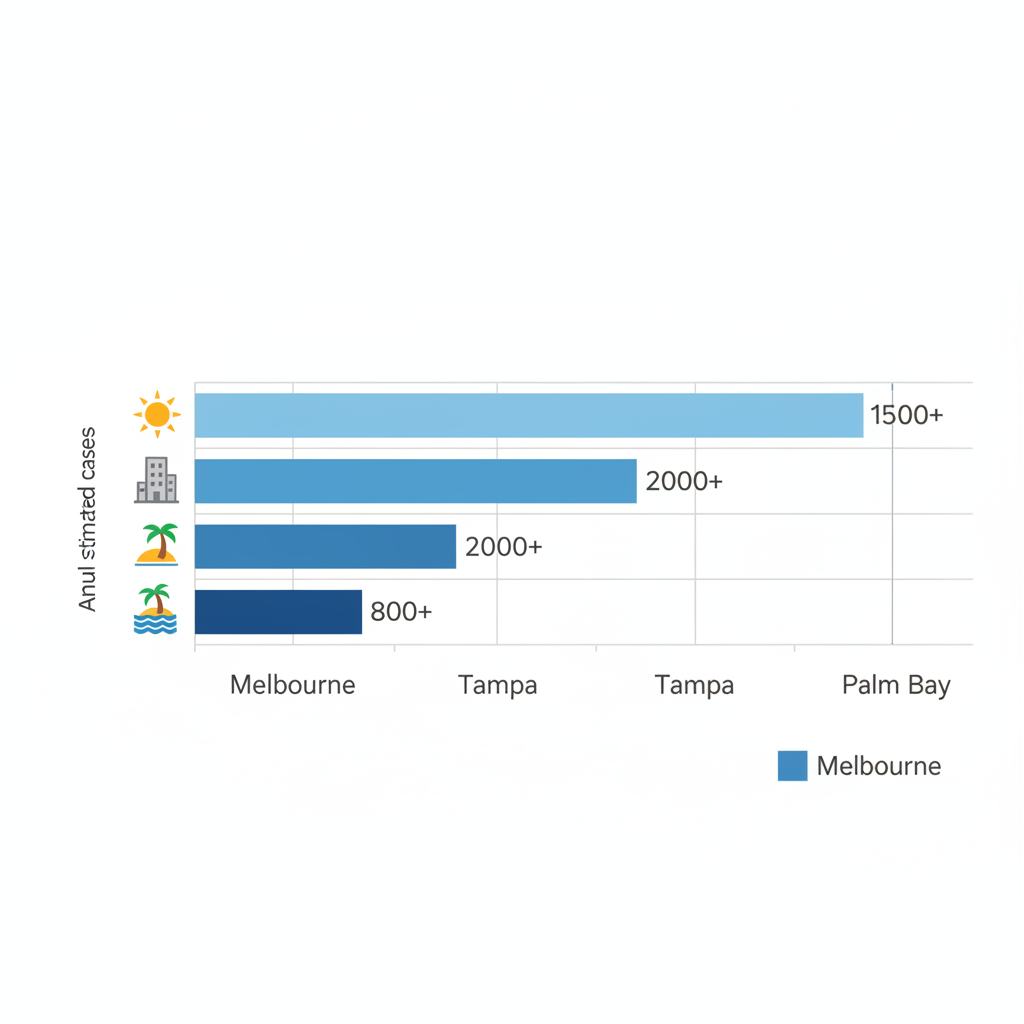
SCC incidence comparison across Central Florida areas
These visual insights reinforce the elevated burdens in coastal settings, guiding preventive measures. Florida SCC prevention strategies involve daily broad-spectrum sunscreen application, protective clothing during beach outings, and avoiding peak sun hours. Seeking a dermatologist melbourne fl for annual checks remains essential, particularly for Mohs surgery in Melbourne, Florida, when aggressive lesions demand precise removal.
Service Availability for SCC in Melbourne, Florida
Indigo Dermatology provides comprehensive care for squamous cell carcinoma (SCC) in Melbourne, Florida, addressing the needs of patients facing this common skin cancer. The practice offers a full spectrum of services, from initial diagnosis to advanced treatments, led by board-certified dermatologists specializing in skin cancer awareness and management. Patients benefit from medical and aesthetic skin care services tailored to help them look and feel their best.
Key SCC treatment services include:
- Medical Evaluations and Biopsies: Initial consultations with a squamous cell dermatologist in Melbourne, Florida, involve thorough skin exams and biopsies to confirm SCC diagnosis. These procedures ensure early detection, crucial for effective intervention.
- Surgical Interventions: For standard cases, excisions remove visible tumors with clear margins. High-risk SCC, particularly on the face or recurrent sites, warrants Mohs surgery in Melbourne, Florida. This precise technique, performed by Indigo Dermatology’s board-certified Mohs surgeon, achieves a 90% cure rate for facial SCC as per American Academy of Dermatology guidelines, minimizing tissue loss while eradicating cancer cells layer by layer.
- Non-Surgical Options: SCC treatment options in Melbourne, Florida, extend to cryotherapy for superficial lesions, topical therapies like imiquimod for early-stage disease, and referrals for radiation when surgery is unsuitable. These local skin cancer therapies provide less invasive alternatives, selected based on tumor characteristics and patient health.
Accessibility remains a priority at Indigo Dermatology, with flexible appointment scheduling in Melbourne for prompt care. The multi-disciplinary team, validated by American Board of Dermatology standards, collaborates on personalized plans. For expert guidance, consider consulting the best dermatologist melbourne fl.
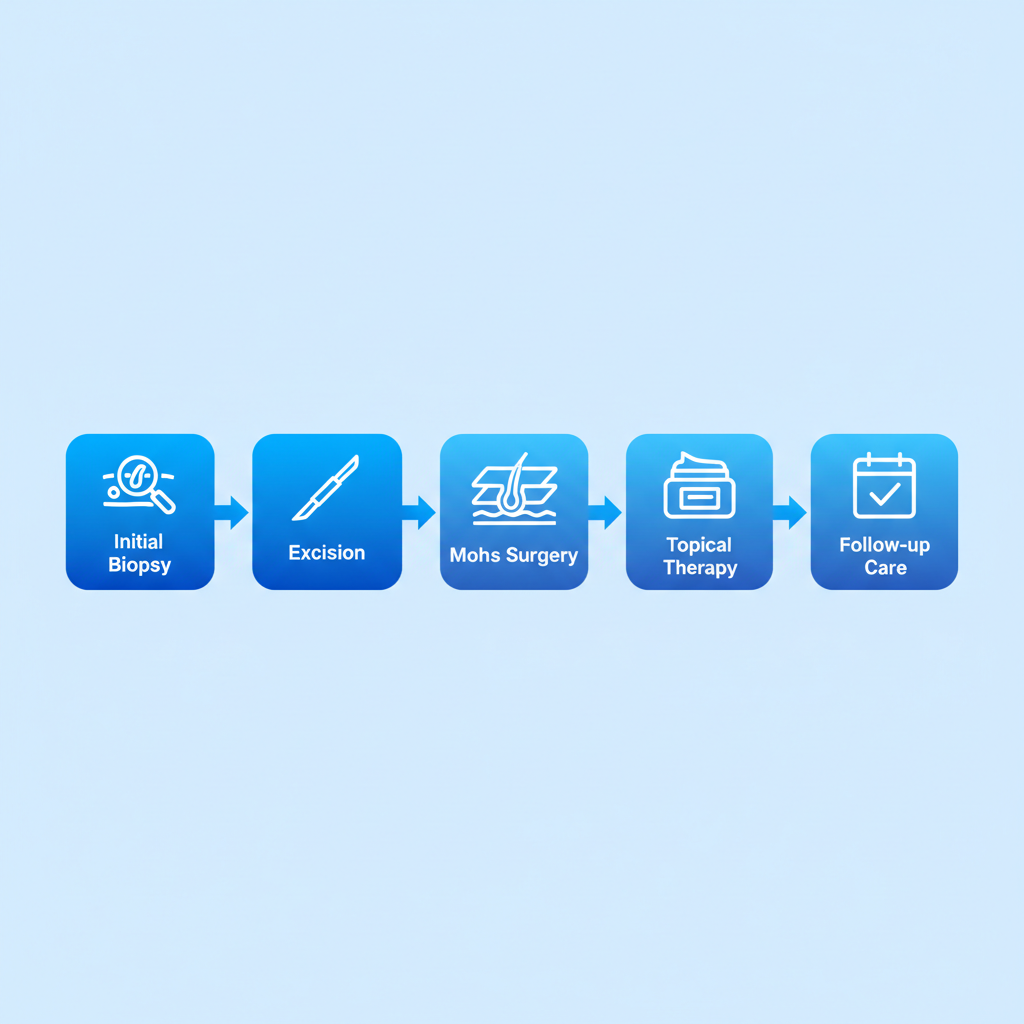
Process flow for SCC treatment services including Mohs surgery
These Melbourne dermatology procedures adapt to regional sun exposure risks, ensuring thorough follow-up to monitor recurrence and promote long-term skin health.
Local Considerations for SCC Treatment in Melbourne, Florida
Melbourne, Florida’s intense year-round UV exposure heightens SCC recurrence risks, demanding rigorous post-treatment sun protection. Patients must apply broad-spectrum SPF 30+ daily, wear protective clothing, and avoid peak sun hours from 10 a.m. to 4 p.m. This subtropical climate accelerates skin damage, making adherence to these guidelines essential for preventing new lesions, as recommended by the American Academy of Dermatology.
Recovery from mohs surgery melbourne fl typically spans 1-2 weeks, involving gentle wound care in humid conditions to minimize infection. Area-specific SCC recovery includes monitoring for humidity-induced irritation, with follow-up visits every 3-6 months at Indigo Dermatology. Consulting a squamous cell dermatologist in Melbourne, Florida, ensures personalized Florida skin cancer follow-up protocols, including second opinions for complex cases.
Patients should ask dermatologists key questions: 1) What are my recurrence rates? 2) How does local climate affect healing? 3) When should I schedule imaging or biopsies? These inquiries promote informed decisions.
For aggressive SCC, SCC treatment options in Melbourne, Florida, include immunotherapy and radiation, achieving up to 99% cure rates for primary tumors via Mohs, per NCBI data.
Getting Started with SCC Care in Melbourne, Florida
Beginning care for squamous cell carcinoma (SCC) in Melbourne, Florida, starts with selecting a qualified specialist. Look for a board-certified dermatologist who specializes in skin cancer, such as a squamous cell dermatologist in Melbourne, Florida, with experience in SCC diagnosis and treatment. Use the American Academy of Dermatology’s Find-a-Derm tool to search by location and specialty for certified professionals. Board certification from the American Board of Dermatology ensures rigorous training in dermatologic oncology, providing credibility and expertise for effective care.
Next, schedule an initial SCC consultation locally by contacting practices like Indigo Dermatology’s Melbourne clinic. Prepare for skin checks or biopsies by gathering your medical history, noting any skin changes, and listing questions about SCC treatment options in Melbourne, Florida. Understand potential costs for services like Mohs surgery in Melbourne, Florida, and verify insurance coverage for procedures. A checklist can help: document symptoms, review family history, and research procedure details.
During the first visit, expect a thorough exam and discussion of starting skin cancer treatment in Florida. Advocate for yourself by asking about Mohs surgery options, including those available at related locations like mohs surgery tampa. Follow up on recommendations promptly to ensure timely intervention at Indigo Dermatology.
For additional resources, consult AAD and ABD websites to verify specialist qualifications and access patient education materials.
Next Steps for SCC Management in Melbourne, Florida
Recognizing symptoms like persistent sores or scaly patches warrants prompt evaluation for effective SCC treatment options in Melbourne, Florida, including versatile approaches such as Mohs surgery in Melbourne, Florida. Local skin cancer solutions from a squamous cell dermatologist in Melbourne, Florida ensure personalized care tailored to individual needs.
Schedule a consultation with board-certified dermatologists at indigo dermatology florida for comprehensive skin health in central Florida. Early intervention, as emphasized by the American Academy of Dermatology, improves five-year survival rates to 99 percent, empowering informed Florida dermatology follow-through.